Filter & Sort
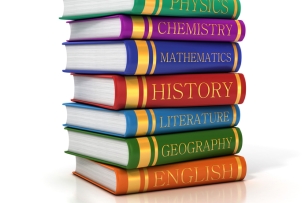
Students, Keep Your Books
Paul T. Corrigan urges professors to educate their students about how the value and power of textbooks can endure long after graduation.
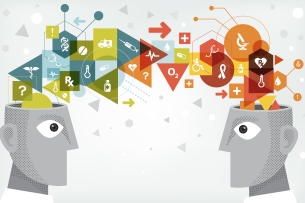
Who Should Talk About Science?
The administration and academic leadership of colleges and universities need to communicate far more effectively about science and its importance to the world outside academe, argues Jiri Hulcr.

A Faculty Stand on Assessment
To do justice to students and as a matter of professional duty, faculty members should be at the center of defining and measuring undergraduate learning outcomes, argue Josipa Roksa and Richard Arum.

Feeling the Spirit
Scott McLemee ruminates on the memoir of Barbara Ehrenreich, who, while more or less an agnostic, undergoes what sounds like the sort of crisis described by saints and mystics.

Pedestrian Pedagogy
Literally walking side by side with students while teaching a class can bring unexpected benefits, writes Del Doughty.
The Real Threat to Free Expression
How young people armed with smartphones became so unable or unwilling in critical instances to talk to each other is a fundamental question for higher education, writes Jeffrey Herbst.
Searching for the Humanities
John Fea, a history chair, describes what he learned on his daughter's college tours about the presence or absence of a liberal arts ethos.

The Faculty's Complicity
Timothy V. Kaufman-Osborn takes issue with arguments that the erosion of faculty members' participation in shared governance is entirely due to forces beyond their control.